Every year millions of graduates enter the job market with solid qualifications, and employers continue to report that a large proportion are not ready to work. Both things are true at once, and the contradiction is the readiness gap.
Degrees certify what a student knows. Employers hire for what a person can do in a workplace with other people, ambiguity and deadlines — which is rarely what the degree assessed.
What employers are actually assessing
In interviews and the first six months, four things are evaluated far more than technical knowledge:
- Communication under mild pressure. Can the candidate answer the question asked, structure a response and admit uncertainty without unravelling?
- Workplace judgement. Do they know when to escalate, when to ask, and when to proceed? Most early mistakes are judgement errors, not knowledge errors.
- Professional conduct. Responsiveness, punctuality, follow-through, receiving correction without defensiveness. Unglamorous and decisive.
- Learning speed. Not what they already know, but how quickly they absorb correction and apply it.
Where students are typically underprepared
Three gaps appear repeatedly in campus programs we deliver:
Interview capability
Students prepare answers rather than preparing to have a conversation. They over-rehearse "tell me about yourself", then struggle with the follow-up question that probes it. The fix is structured practice with real-time questioning and feedback — mock interviews that are genuinely uncomfortable.
Presentation and public speaking
Many graduates have never presented to an unfamiliar audience that might disagree with them. In corporate life this happens in week two. Confidence here is built only through repetition in front of people.
Corporate discipline
Email conventions, meeting behaviour, escalation etiquette, how to disagree with a senior person, what confidentiality means in practice. None of this is taught on campus, and all of it is assumed from day one.
Closing the gap before the first interview
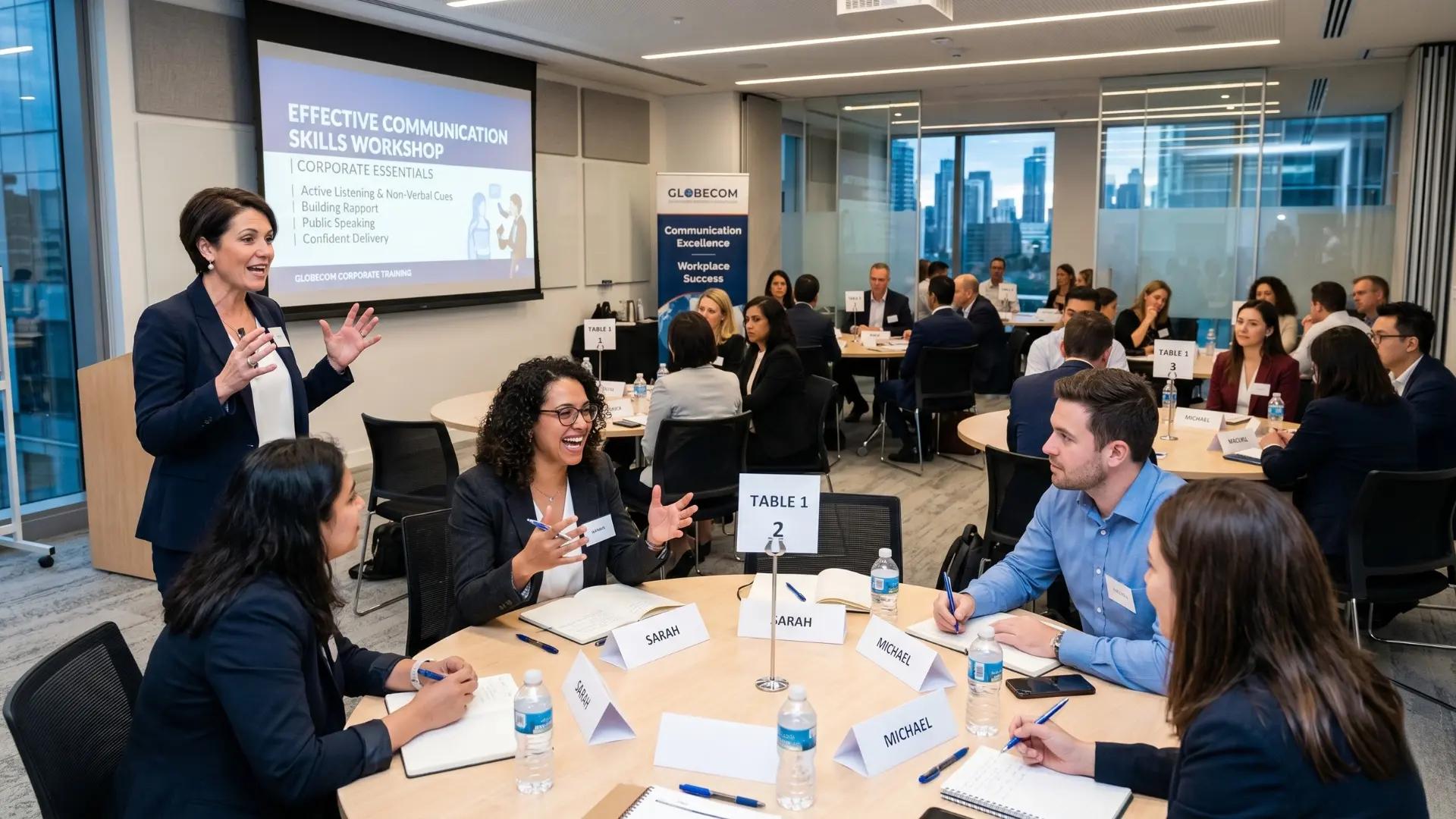
A structured readiness program addresses this in a defined sequence: resume and profile clarity, interview practice with feedback, workplace communication, presentation confidence, networking, and corporate conduct with the questions freshers actually face.
The outcome institutions report is not only higher placement rates, but faster confirmation and lower early attrition — because the graduates arrive able to function, not just qualified.
Xcellence-Zone runs College-to-Corporate readiness programs with engineering, MBA, hotel management and marine institutions. Contact us to discuss a program for your students.